Teacher Resources
Find educator resources here for the student(s) you support.


Teacher Guidebook - Introduction to History Day (PDF)
About This Guide
The Vermont Historical Society Teacher Guidebook: Introduction to History Day is a practical onboarding resource for educators bringing the National History Day (NHD) program into their classroom for the first time, or looking to strengthen their existing approach. It was developed by experienced History Day coordinators and is designed to be adapted to different teaching styles and student needs.
What's Inside
The guide walks teachers through the full picture of History Day, from the program's origins and educational philosophy to the nuts and bolts of running it in your classroom. Key sections cover:
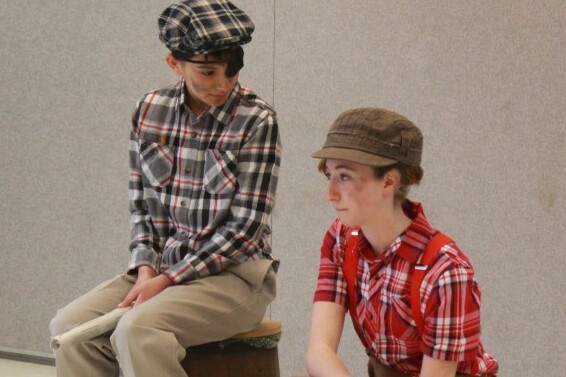
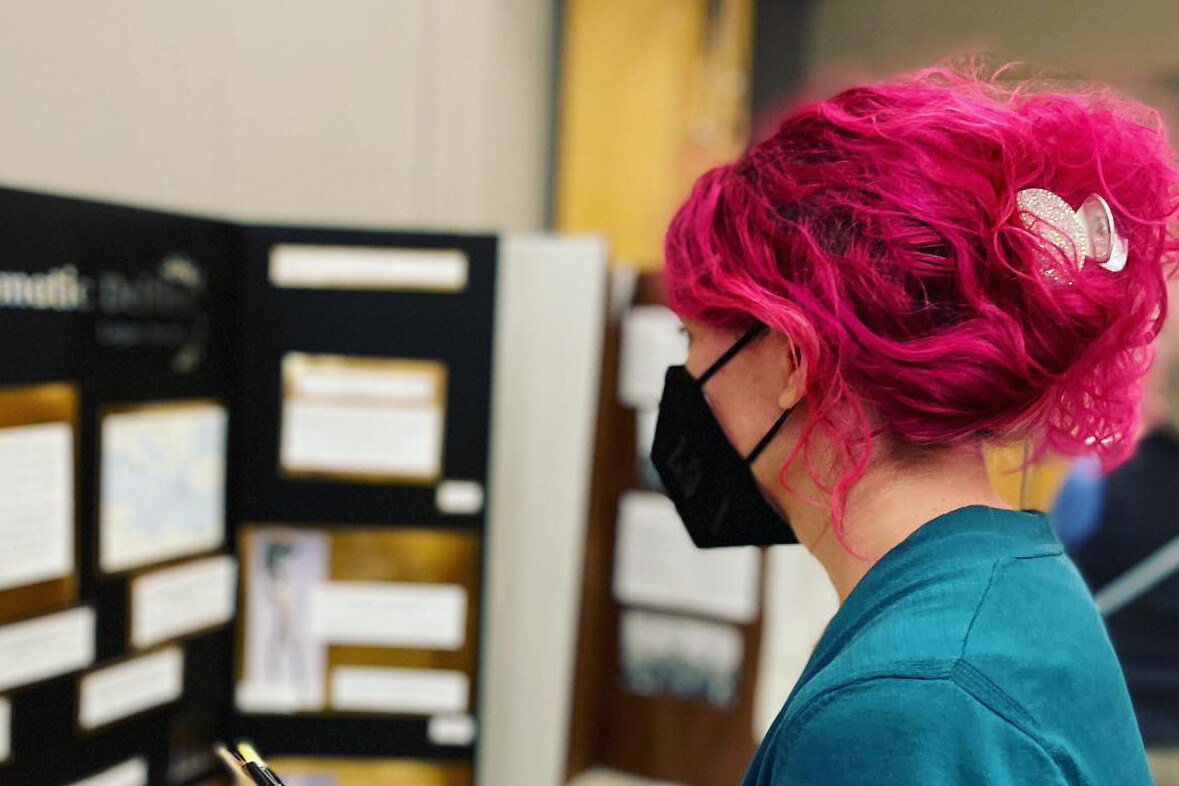
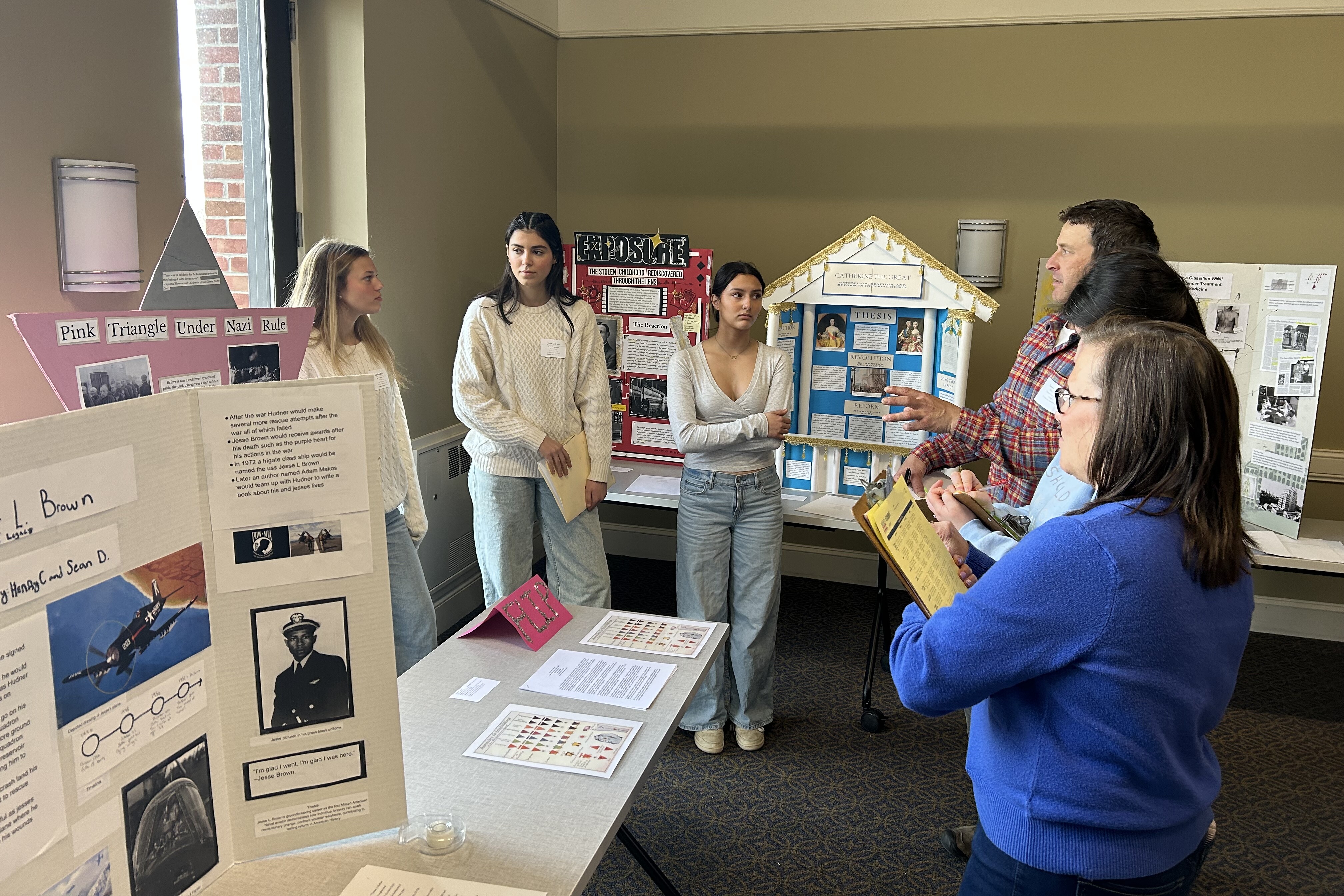
- Program overview - what National History Day and Vermont History Day are, who can participate (grades 5–12), and the range of project formats available (exhibit, documentary, website, performance, or paper)
- Standards alignment - how History Day maps to the C3 Social Studies Framework, ELA standards, and 21st Century Learning skills
- Participation models - options for structuring History Day as a class assignment, enrichment activity, or independent study, with sample timelines
- Teacher planning tools - FAQs, a customizable planning template, and recommendations for setting ground rules around topics, group sizes, and the competitive cycle
- Family communication - guidance on looping in parents and guardians early and keeping them informed throughout
- Student FAQs - ready-to-share answers to common student questions about research, sourcing, and judging
How to Use It
Start with the Teacher Planning Template (pages 17–18) to map out your key decisions before launching. Consider things like whether students may choose duplicate topics, maximum group sizes, and which project formats you'll allow. Use the Sample Timelines to build a project calendar that fits your semester, and share the Parent/Guardian and Student FAQ sections directly with families and students as the project kicks off. The guide is meant to be a reference you return to throughout the process, not just read once at the start.

About This Guide
The Vermont Historical Society Student Research Guide is a comprehensive, step-by-step workbook designed to walk students in grades 5–12 through the entire History Day process, from choosing a topic to standing in front of judges. It's built to function both as a classroom resource and as a hands-on reference students can return to independently at each stage of the project.
What's Inside
The guide follows the natural arc of a History Day project, with dedicated sections and fillable worksheets throughout:
- Getting started - a "Road Map" overview of the five key steps (choose a topic, research, analyze, develop a thesis, and create a project), plus guidance on connecting to the annual theme (2025: Rights and Responsibilities in History)
- Topic selection - tools for brainstorming, narrowing, and evaluating a topic, including a "funnel" method, topic development worksheets, and a topic proposal template
- Research - guidance on using school, public, and academic libraries; museum collections; and historical societies. Covers evaluating source reliability (using the CRAAP Test), understanding primary vs. secondary sources, a five-step research process, and a range of notetaking methods (note cards, charting, and visual/doodle notes)
- Building the argument - frameworks for structuring a project into background, build-up, heart of the story, and short- and long-term impact sections, plus two thesis-writing approaches with step-by-step templates
- Project categories - breakdowns of all five formats (paper, exhibit, documentary, performance, website) with category-specific requirements and a group commitment contract
- Bibliography and process paper - instructions for building an annotated bibliography as research progresses, source card templates for multiple source types, and guidance on writing the required process paper
- Contest preparation - a checklist for the day of the event and sample judge interview questions to help students practice
How to Use It
The guide works best when introduced at the start of the project and revisited section by section as students move through each phase. The worksheets, like topic funnels, research planning charts, thesis drafting templates, and source cards, are designed to be completed along the way rather than all at once. Teachers can assign specific pages as checkpoints: for example, the Topic Proposal (p. 14) before research begins, the Research Planning chart (p. 23) midway through, and the thesis development templates (pp. 33–35) once students have a solid source base. The judge interview questions at the end (p. 49) make an excellent tool for in-class practice before the contest.